
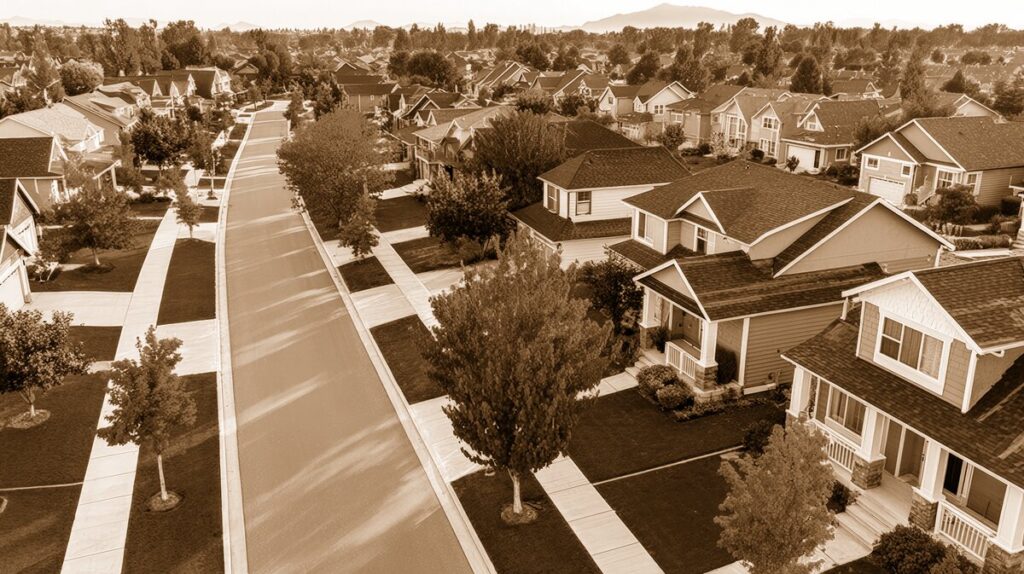
Nestled on the eastern edge of Ventura County, Westlake Village has woven itself into the fabric of Southern California as one of its most charming and storied neighborhoods. With tree-lined streets, picture-perfect lakes, and a backdrop of rolling hills, Westlake Village is more than just a beautiful place to live—it's a community steeped in history, filled with character, and continually evolving while preserving its unique heritage.
Origins: Oaks, Ranchos, and Early Dreams
Long before the manicured parks and Spanish-tiled roofs, the land that is today Westlake Village was home to the Chumash people. For thousands of years, the Chumash thrived in the oak-studded canyons, relying on the rich natural resources of what’s now Triunfo Canyon and the creek-laced valleys surrounding the area.
In the late 18th century, following the arrival of Spanish explorers and the establishment of the California mission system, these native lands became part of the vast Rancho El Conejo, later subdivided and passing through the hands of Mexican land grantees and American pioneers. Through the 19th and early 20th centuries, Westlake Village remained mostly ranch land, dotted with cattle and dry-farmed grain.
Naming the Village: A Lake at the Heart
The name “Westlake Village” has a twofold origin. “Westlake” refers to its location west of Los Angeles and, more literally, the sparkling manmade lake at the neighborhood’s center. In the 1960s, the American-Hawaiian Steamship Company and Prudential Insurance saw potential in this picturesque land and launched an ambitious master-planned community—the first of its kind in California. The idea was to create a residential haven, complete with its own shimmering lake, meandering streets, and abundant green spaces. Thus, “Westlake Village” was officially christened in 1966.
Key Historical Milestones and Development
- 1966: Westlake Village officially broke ground. Designed as a model community, its master plan placed homes, schools, and businesses harmoniously around the iconic 125-acre Westlake Lake.
- 1972: The Westlake Golf Course opened, quickly becoming a social and recreational centerpiece. It’s still beloved today, with views of golf greens along Lakeview Canyon Road.
- 1981: The City of Westlake Village was incorporated, solidifying its own local government. The founders wanted to preserve the community’s village-like spirit and quality of life, with an emphasis on accessible amenities and natural beauty.
- Early Landmarks: The Westlake Village Inn, established in 1968 on Lindero Canyon Road, soon became a gathering place for locals and visitors alike. The lakeside gazebo and gardens, visible from Agoura Road, are favorite photo spots to this day.
Notable Landmarks and Streets
- Westlake Lake: The shimmering centerpiece remains the beating heart of the neighborhood. Residents can enjoy private docks, paddle boating, and shoreline strolls along streets like Lakeshore Drive and the iconic Three Springs neighborhood.
- Berniece Bennett Park: This green oasis on Westlake Boulevard has long served as a favorite gathering spot for picnics, concerts, and community celebrations.
- The Promenade at Westlake: Though a more recent addition, this elegant shopping and dining district on Thousand Oaks Boulevard carries the torch of Westlake’s communal heritage.
- White Oak Elementary School: As one of the original schools, nestled in the heart of the village, it has served generations of local children.
- St. Maximilian Kolbe Catholic Church and First Neighborhood: The oldest residential development, bounded by Agoura Road and Three Springs Drive, reflects Westlake’s original architectural vision.
Evolution Across the Decades
Through the 1970s and 1980s, Westlake Village blossomed from rural outpost to thriving suburban community. Developers maintained strict architectural and landscaping guidelines, ensuring that oak trees and natural beauty were preserved. Streets such as Lindero Canyon Road and Triunfo Canyon Road became main thoroughfares, lined with mature sycamores and pepper trees.
As each phase of the master plan was completed, new neighborhoods like North Ranch and Three Springs emerged, blending stately homes with trails and panoramic vistas. Businesses began to thrive, from the original Westlake Plaza to the now-vibrant Promenade.
Throughout the 1990s and 2000s, Westlake Village continued to grow, but never lost sight of its founding values: community, tranquility, and a strong connection to the land. Parks such as Foxfield and Russell Ranch became focal points for family life, and the arrival of cultural institutions, including the Four Seasons Hotel on Lindero Canyon Road, cemented Westlake’s reputation for refined living.
A Special Sense of Community
What distinguishes Westlake Village today is the spirit of camaraderie that threads through its neighborhoods. Annual traditions, like the Fourth of July parade that winds along Lakeview Canyon Road or summer concerts at Berniece Bennett Park, celebrate Westlake’s collective heritage.
Residents frequently cite the accessibility of nature—the hiking trails in the Santa Monica Mountains, the scenic shores of Westlake Lake, and the ancient oaks that line Kanan Road—as the true treasures of daily life. Even as new shops open and modern touches appear, Westlake maintains a pace and personality that feels worlds apart from the bustle of greater Los Angeles.
Preserving the Legacy
At the heart of Westlake Village’s longevity is a deep respect for its roots. Civic leaders and homeowners alike have worked to ensure that growth is measured and that the heritage of the land is preserved for future generations. Landmark buildings, beloved schools, and community green spaces continue to thrive thanks to this shared stewardship.
Strolling along the quiet, winding streets—perhaps stopping at Stonehaus for a coffee or watching the reflections dance on Westlake Lake—it’s easy to appreciate what makes this community unique. Westlake Village isn’t just a location; it’s a living, breathing home, rich in heritage and full of heart.
Whether you’re a lifelong resident or a visitor experiencing its charm for the first time, Westlake Village’s story is always ready to welcome you in.